
Cookies
We use cookies to make our website work properly and, with your consent, to show you more relevant content and campaigns. You can change your choice at any time.
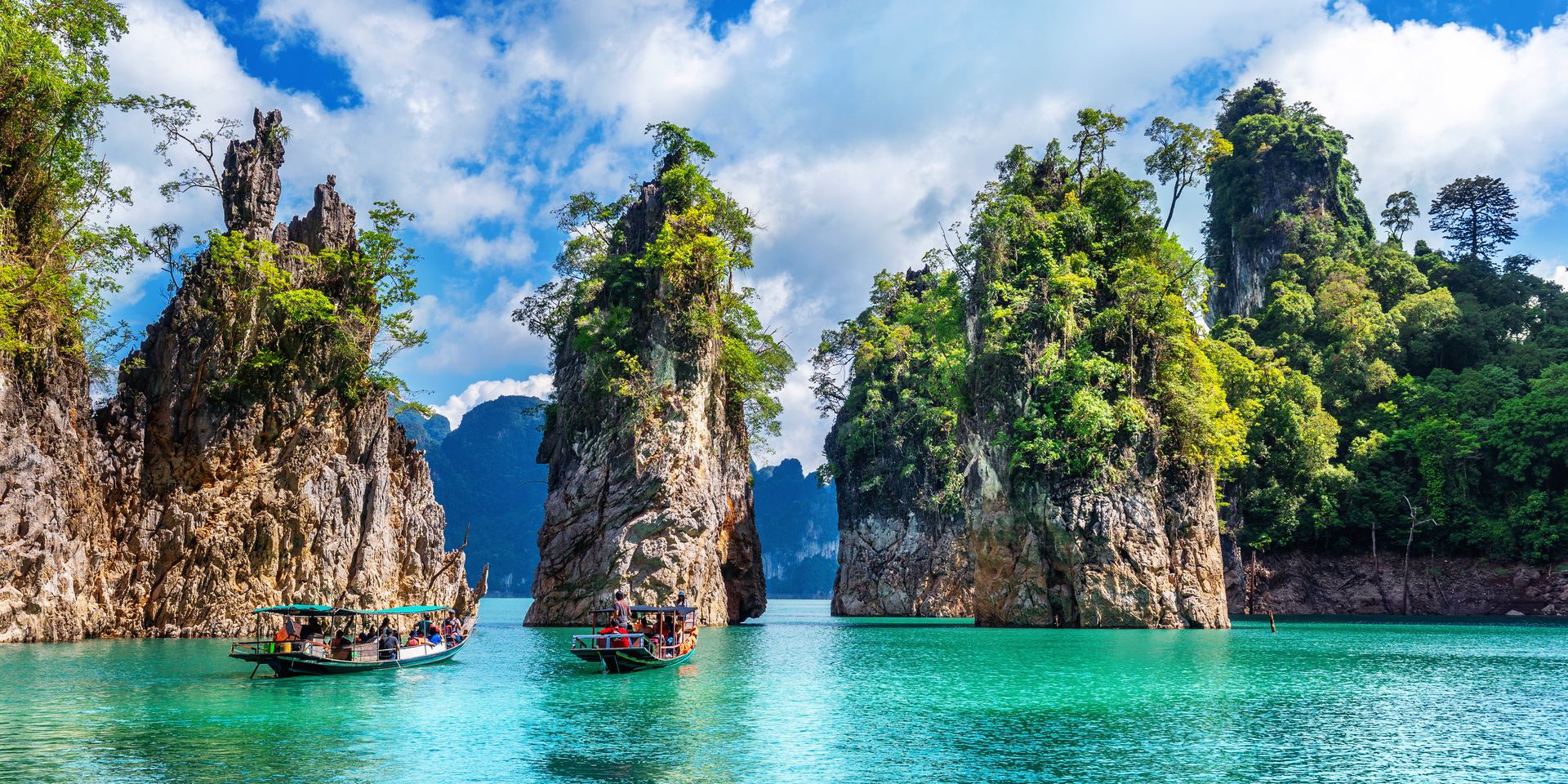
Thailand
Tropical yields and high occupancy, powered by a tourism engine that never really stops.
Thailand's appeal has always been straightforward: dependable tourist demand feeding short-term rental yields that outperform most developed markets. Bangkok anchors the market with scale and liquidity, while Phuket and Koh Samui add resort-driven economics.
Key numbers
Legal framework
Foreign buyers can hold freehold title on up to 49% of the units in a condominium project, with the remainder available on regulated long-term leasehold — a well-tested structure with decades of precedent.
How buying works
-
01
Freehold up to 49%
In a condominium building, up to 49% of the floor area can be held by foreigners with full ownership.
-
02
Long-term leasehold
Otherwise you sign a right of use, typically 30 years and renewable, under clear contracts.
-
03
The right structure
We pick the structure for the property and your goal: holiday rental, residence or resale.
Areas
- Bangkok A metropolis with scale and liquidity; urban rentals to executives and residents.
- Phuket The classic tourist island: holiday rentals run by hotel operators.
- Pattaya A coastal destination about two hours from Bangkok, with tourist and residential demand.
- Koh Samui A more exclusive island, focused on villas and resorts.
Why we like this market
-
Occupancy driven by a tourism base that has proven resilient across multiple cycles.
-
A freehold quota that's well understood and heavily precedented, unlike some newer regional markets.
-
Entry prices that remain accessible relative to the yield on offer.
Thailand